Hello, everyone. I apologize for my recent lack of updates. July has been a whirlwind as it is the last month for all of the English teachers who are returning home at the end of their contracts. Everyone is in a last minute rush to plan fun things together before we say goodbye. I even hosted a 4th of July barbecue for all us home sick Americans. In any case, a few weeks ago I took a trip up to Hokkaido, the northern island of Japan. One of my good friends on the island was visiting and asked me to join. She is one of the people leaving this month, and knowing that this could be the last time I see her for at least a very long time, I agreed. I was apprehensive before the trip though, wondering if it was worth the short time I would be spending there. I would only be up for a few days after all. I ended up having a great time and discovering a new part of the country I probably wouldn’t have visited otherwise.
As I mentioned earlier, Hokkaido is the northernmost major island of Japan. Owing to this, the island receives heavy snowfall in the winter. The island has a fascinating history. It was not really considered a part of Japan until recently. Before the 19th Century, most of the inhabitants belonged to the Ainu ethnic group. The Ainu are actually unrelated to the Japanese people, instead they are closer to native Siberians, and they could be found in Hokkaido, northern Honshu, and Siberia. As such, their language is unrelated to Japanese, but there are numerous loanwords of Ainu origin in Japanese as well as many place-names in Hokkaido. I believe their religion is also close to Shintoism, the religion of Japan, as it is also animist spirit worship. Starting in the 19th Century, the Japanese government decided to settle the island when it became formally part of Japan. As a result, today Hokkaido kind of has a “frontier” feel, which is similar to the American west.
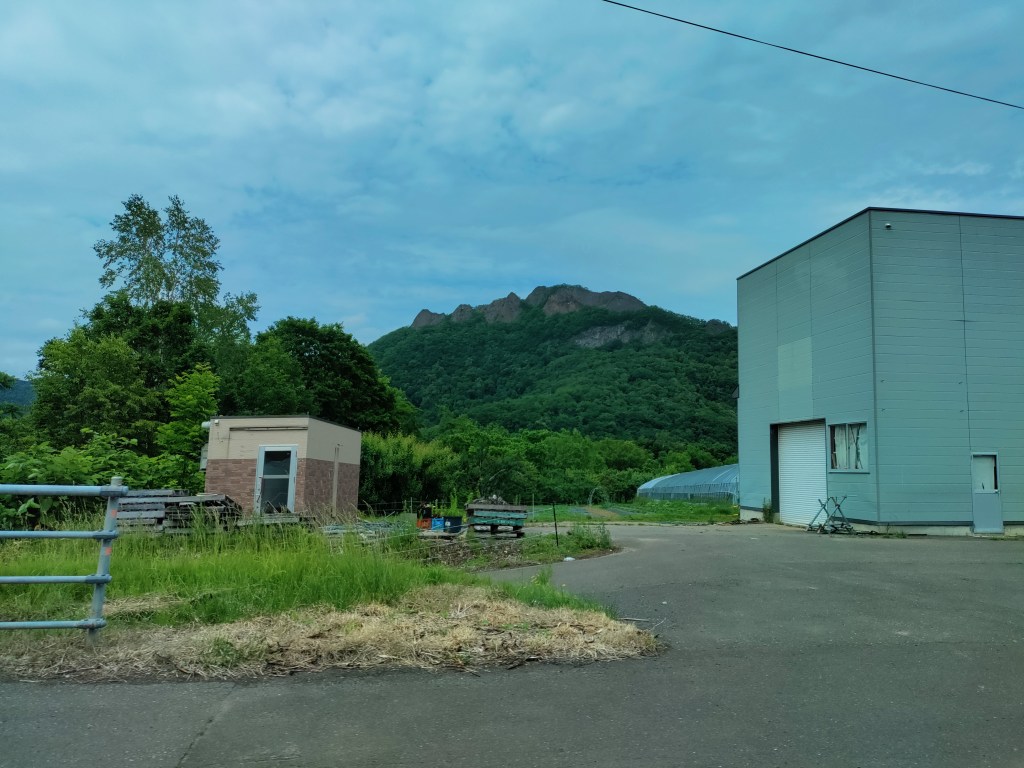
My trip began with a flight from Niigata Airport. The airport was nice and new looking but very small. While there are usually a smattering of international flights available to Asian cities like Seoul and Shanghai, amidst the COVID pandemic all international flights are routed through Tokyo, rendering Niigata a domestic airport. The scale of the airport reminded me of Sacramento International. You could walk from one end of the terminal to the other in about 10 minutes. From there, I boarded my flight for the hour long flight to New Chitose Airport in Hokkaido. I was to meet my friend who left a few days earlier on the sea ferry from Niigata. The first thing I noticed when I got off the plane was the coolness. The humidity of Japanese summer has fully set in on Sado, but I suppose the northerliness of Hokkaido prevents, or at least delays, this. It was a nice break from the weather. From there, I took an express train down the southern coast of Hokkaido and Uchiura Bay to the town of Date. The trip was picturesque and from it you can notice that the natural landscape of Hokkaido is unlike that of the rest of Japan. While most of Japan is littered with mountains, Hokkaido is somewhat an exception. While it is hilly and there are mountains, Hokkaido also has vast stretches of plains. As such, Hokkaido is known for pasture animal farming and wheat growing, which explains why Japanese bread and dairy products often feature a map of the prefecture on their packaging prominently.
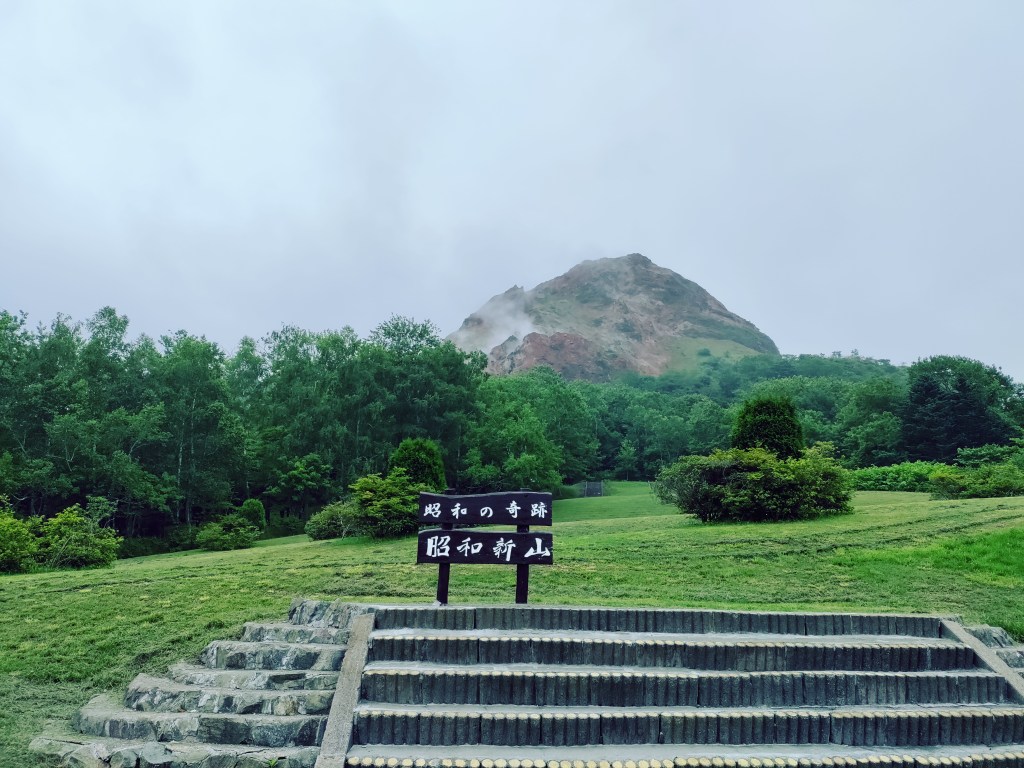
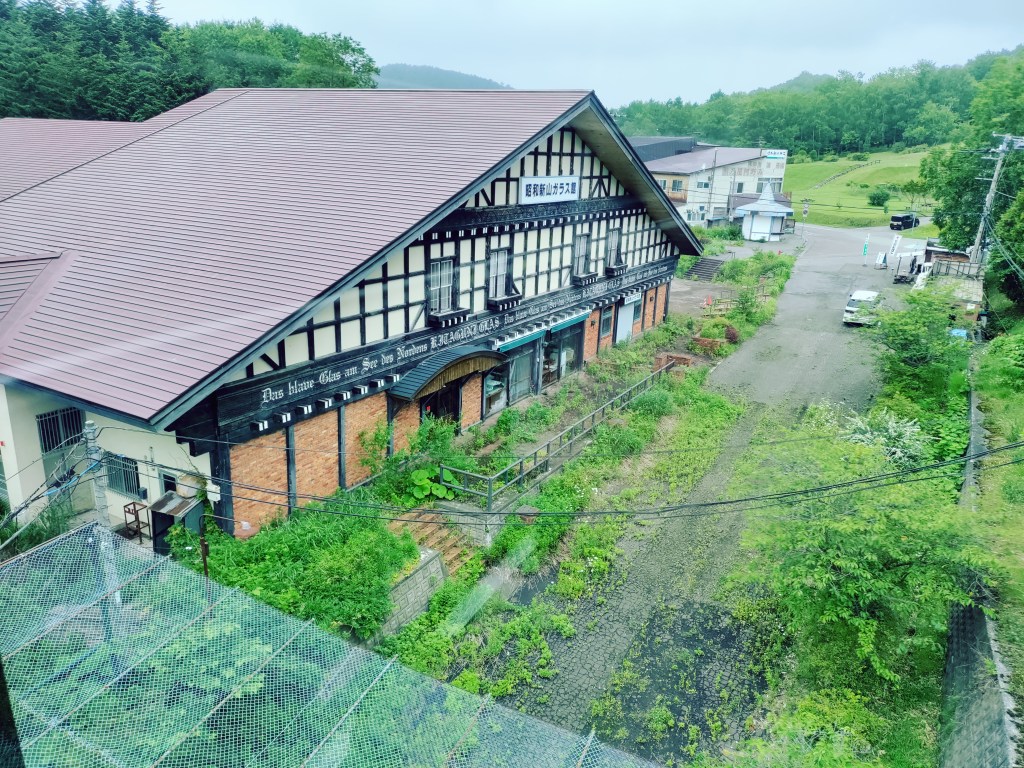
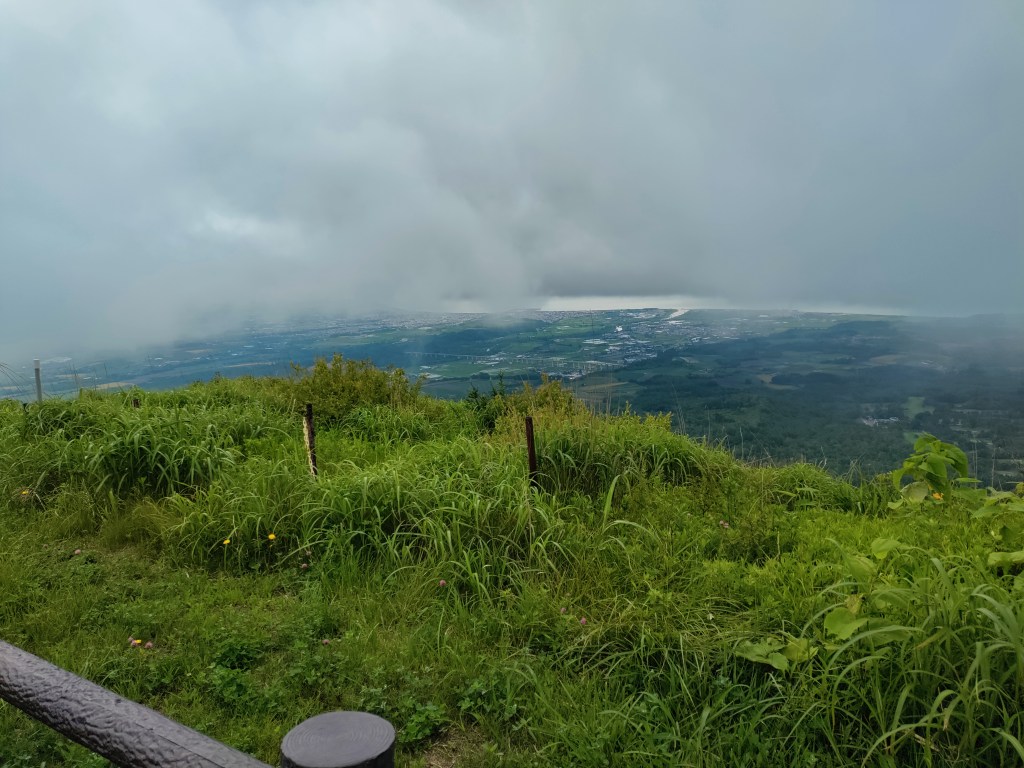
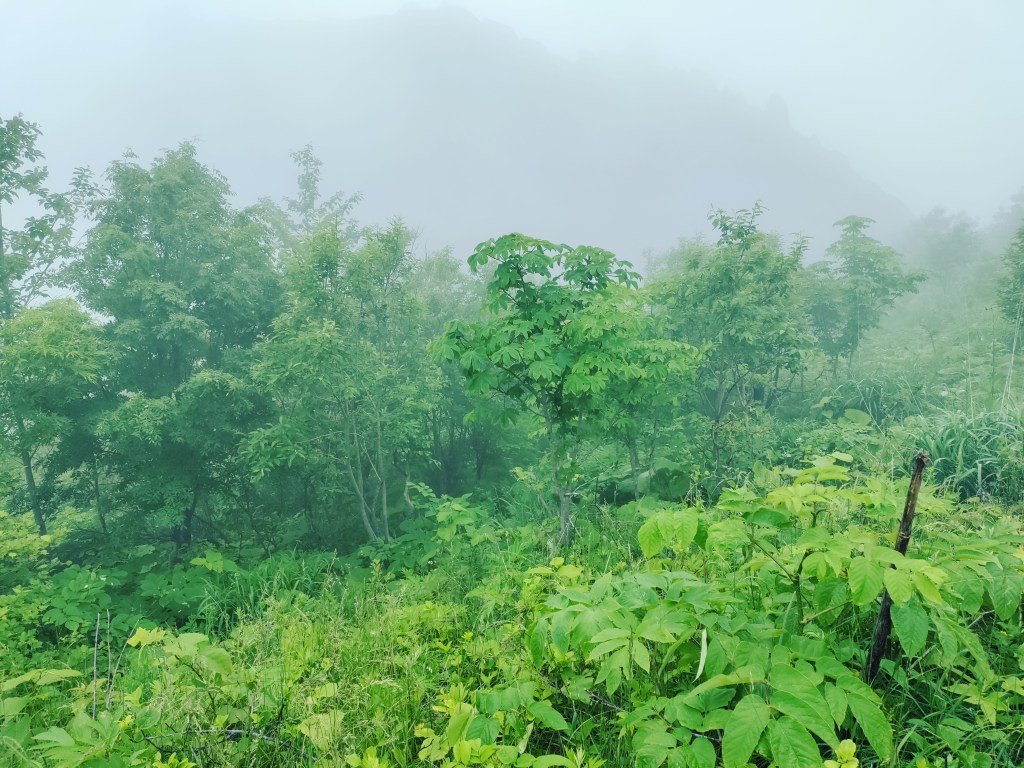
I arrived in Date around 6 PM, where I met my friend. We went to a restaurant to try miso ramen, a hearty local variety of the region designed to keep you energized in the harsh winters. We then drove to our accommodation for the night. We stayed at a guesthouse run by a kind Japanese woman. The next day we set out for exploring Hokkaido. Our trip was short so we had to make the most of our time. We started by visiting Lake Toya and Mt. Usu. Lake Toya is a big caldera lake with a forested island right in the middle. You can take a boat to the island and there is a museum and several hiking trails, but we didn’t have time so we hiked around the mountain instead. Mt. Usu is a volcano which last erupted in the year 2000. Around the base of the mountain there is a small tourist town and information center. We took a rope way most of the way up the mountain. From there, it’s about a 45 minute hike to the caldera. The air was cool and clouds and fogged settled in around the mountain below us, creating a cool “above the cloud” feeling. Occasionally the clouds would break, and we would be able to see clear to the coast and the cities I had ridden through on the train the previous day. Afterwards, we drove around Lake Toya and through the Shikotsu-Toya National Park. We passed through several resort towns and the air was somewhat tinged with the smell of sulfur from the hot springs.
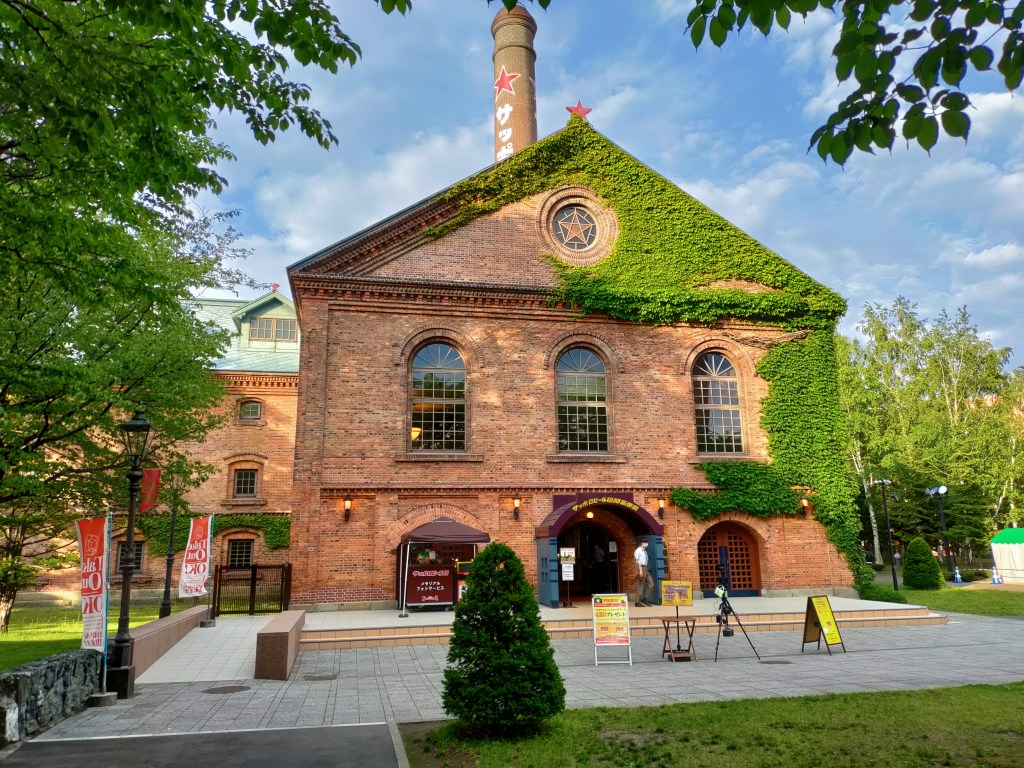
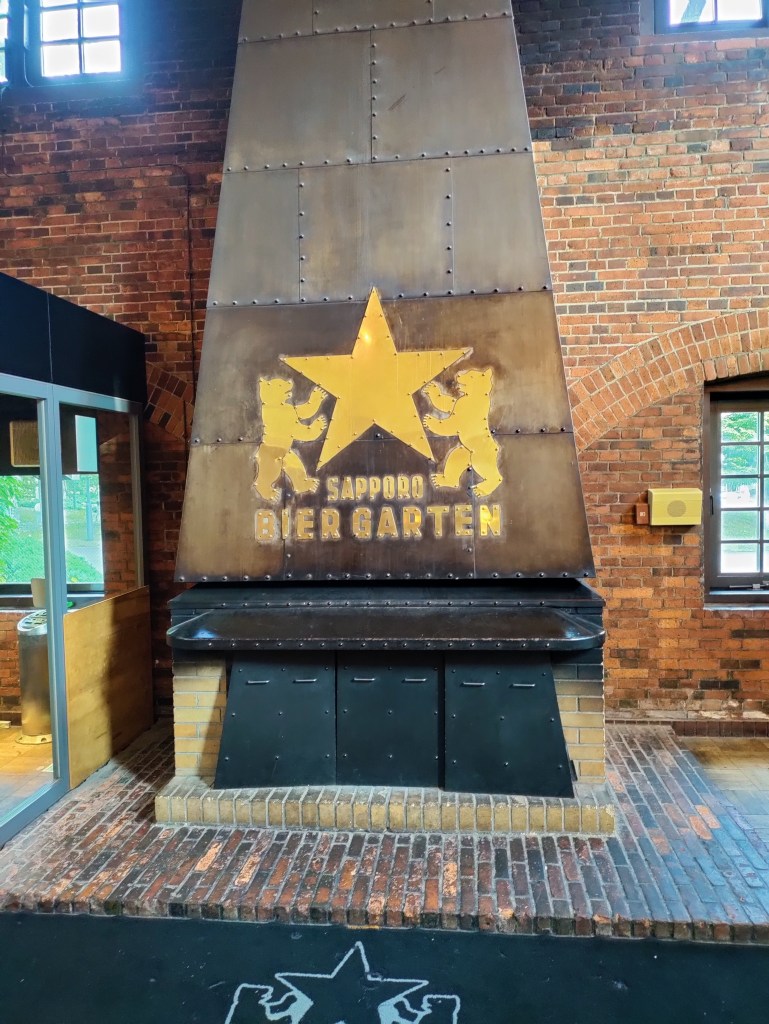
After a few hours driving through the meandering tunnels and canyons of the National Park, we arrived in Sapporo. Sapporo is the largest city of Hokkaido and one of the largest in all of Japan. Just arriving in the city I could tell that we were in a much larger place than Niigata. Indeed, Sapporo has more than double the people of Niigata. My friend had to catch the ferry that afternoon, so we quickly got some Hokkaido beef for lunch before I saw her off at Sapporo Station. From then on, I was on my own in the city. Time was still short though, as I was scheduled to fly out the next day. First I visited the Beer Museum. As you’d expect, Sapporo Beer is brewed in Sapporo. The beer connection is actually one of the reasons why Sapporo is sister cities with Portland. Sapporo Beer has been brewed since the 1870’s and they have turned their original brewery into a museum with a whole campus of various bars, souvenir shops, restaurants, and tasting rooms around it. Unfortunately, I arrived a bit late for a tour of the original factory, but I was able to walk around and check out some of the campus and, most importantly, try some beer.
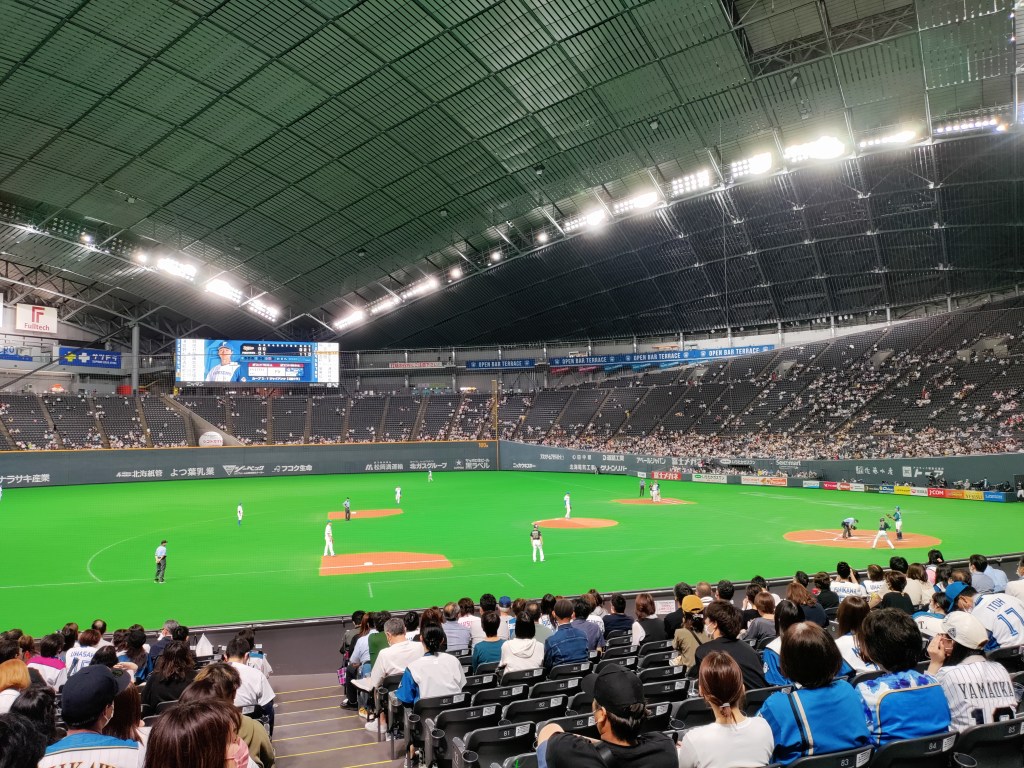
After this, I went to the Sapporo Dome. Sapporo is home to the Hokkaido Nippon Ham Fighters of Nippon Professional Baseball, the top league of Japan. They are currently having a down year so attendance wasn’t too high and tickets were cheap. I sat about 10 rows back behind the home dugout. Japanese baseball atmosphere is not like American. It is more reminiscent of European soccer games. People chant and sing songs for various players and game situations. It is very energetic and fun. Even with the somewhat sparse attendance, the fans were loud and supported their team. It was nice to be watching professional baseball in person again. The game was close too, with Hokkaido scratching out a win over the Orix Buffaloes by a score of 2-1. An error by the Orix 2nd baseman on a groundball allowed the winning run to score.
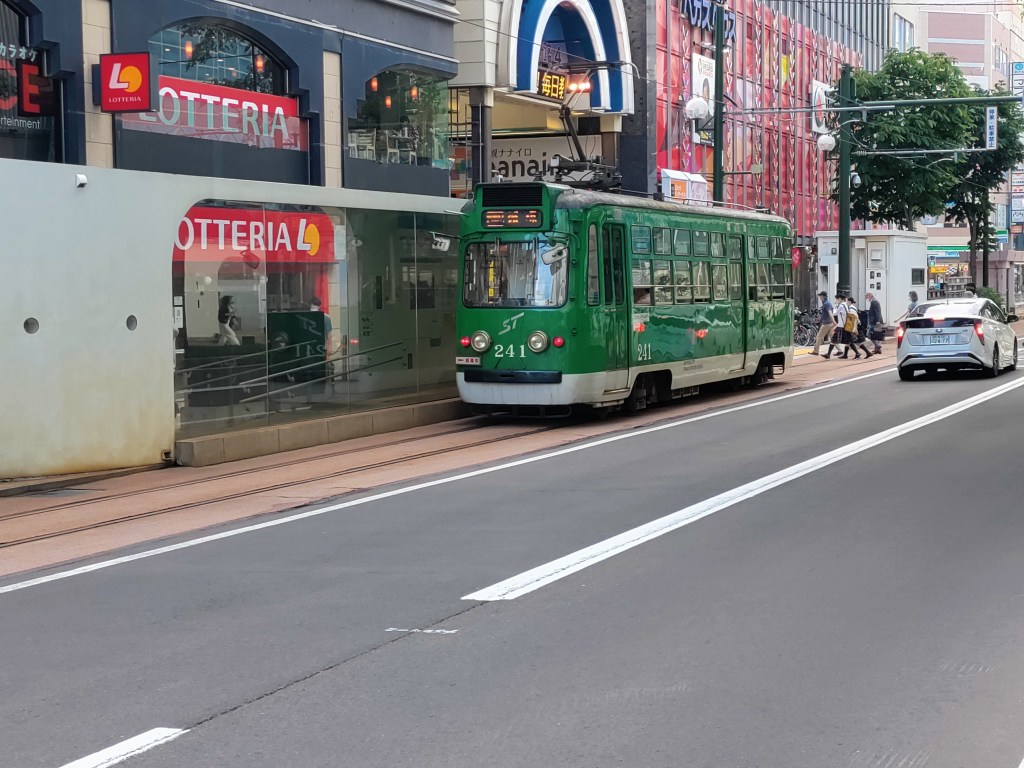
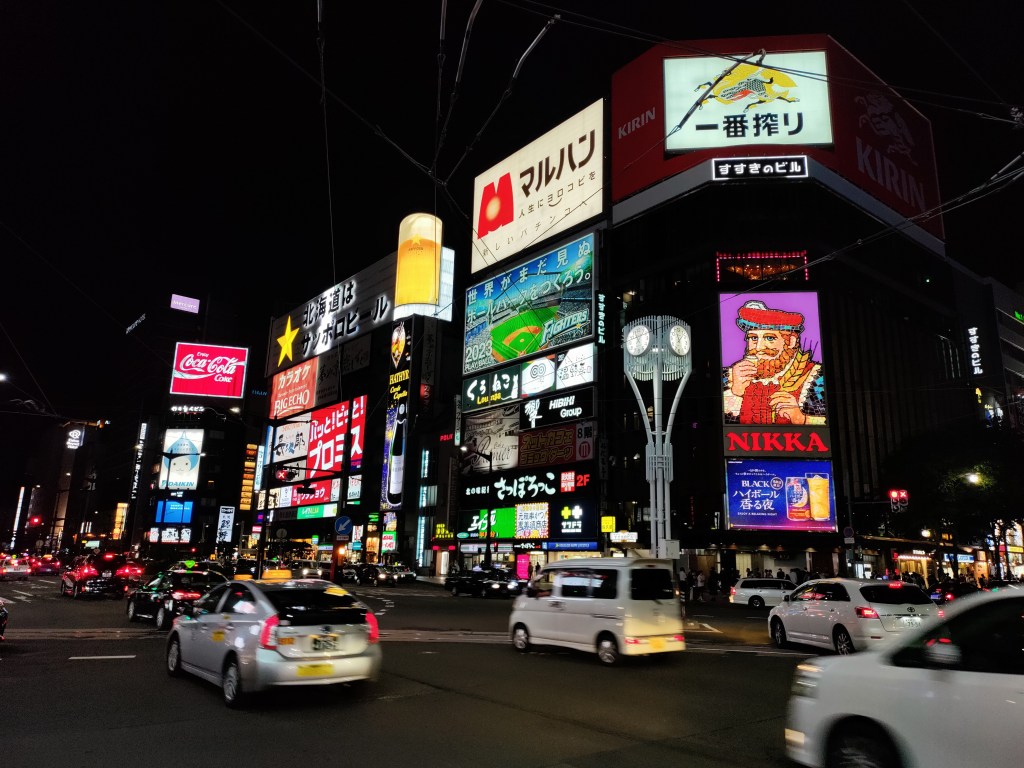
Finally, after the game, I was exhausted, but I managed to pull myself out of the hotel bed around 10PM and onto the streets of downtown Sapporo. The city was absolutely buzzing with people on this cool Friday night. I walked for a few miles down the main street and saw bars, restaurants, and food stalls all packed with customers. I found a nice bar for myself that reminded me of what would be considered a dive bar in America, so I decided to check it out. I ended up having a long conversation with a few people including a man from Tokyo who lived in New York and Boston for 10 years and his wife from Germany. He also wandered in the bar because it reminded him of a “western bar” so I guess I was onto something. I also met a man who worked as a trainer for the Japanese national ski team, who had been to Sado. Overall, I left feeling very fondly of Sapporo people. Everyone was very friendly. I imagine the summer in Sapporo is a bit like the summer in Portland, where everyone is friendly and happy and enjoying a respite from the usual crummy weather. I remember thinking a few times about how the city is so nice and the people so accommodating that it would be nice to live here, before remembering how it is covered with snow for the greater part of the year.
The next day, I woke up and took the plane back to Niigata. The first thing I noticed was the sticky wet air. I hopped on the ferry and I made it back home by the evening. In the end, I was very glad I ended up taking up my friends plan to visit Hokkaido. Though the trip was rushed, I had a great time seeing this unique part of Japan. I would love to go back someday for a longer time. This week marks the beginning of summer break. Even though I still have to go to work, it will be nice to have this time with no classes to prepare for my transition to another set of schools, say goodbye to all my departing friends, as well as welcome the new replacements coming to the island. Finally, I would like to thank a family friend, whose generous gift helped me make this trip happen. As always, thank you for reading.
 Sam in Japan
Hi Buddy, no pictures lol 😆 I would hv loved to see some pictures as I hv seen Hokkaido during winter on NHK TV show and it looks nice, I think u will get plenty of time to visit again buddy so u can enjoy it better.
Love
Dad.
LikeLike
Hi Dad. I write these on the computer but my pictures are on my phone. It might take a second for the pictures to upload from there but you should be able to see them if you refresh the page.
LikeLike
Looked like a great time and nice post!
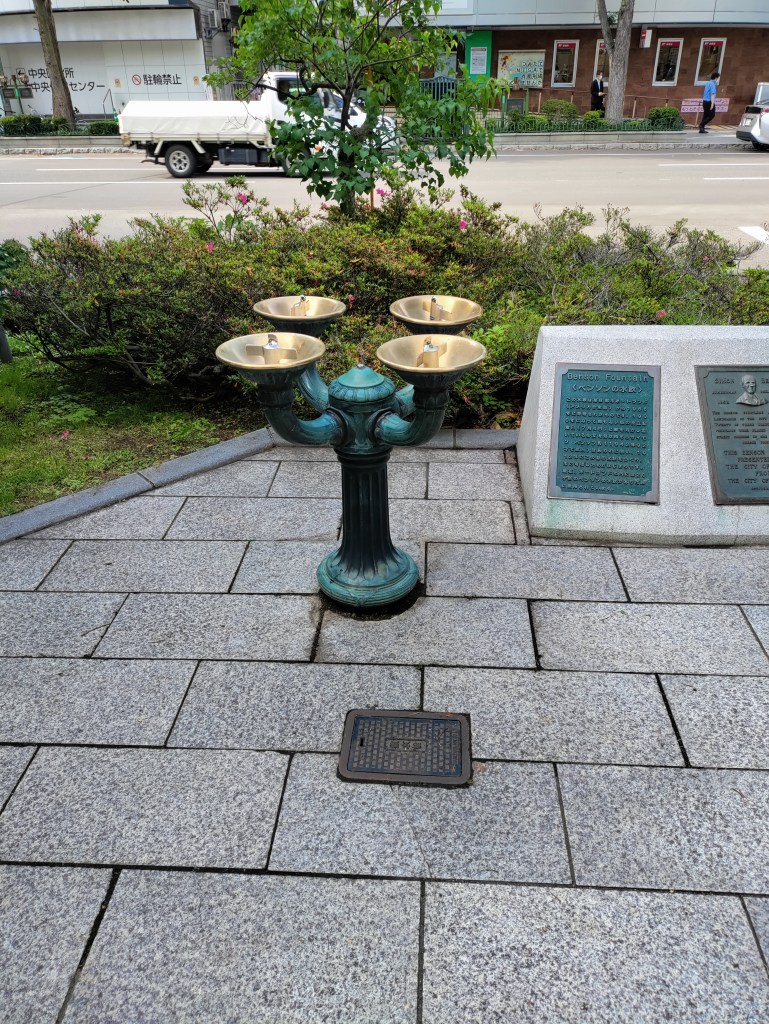
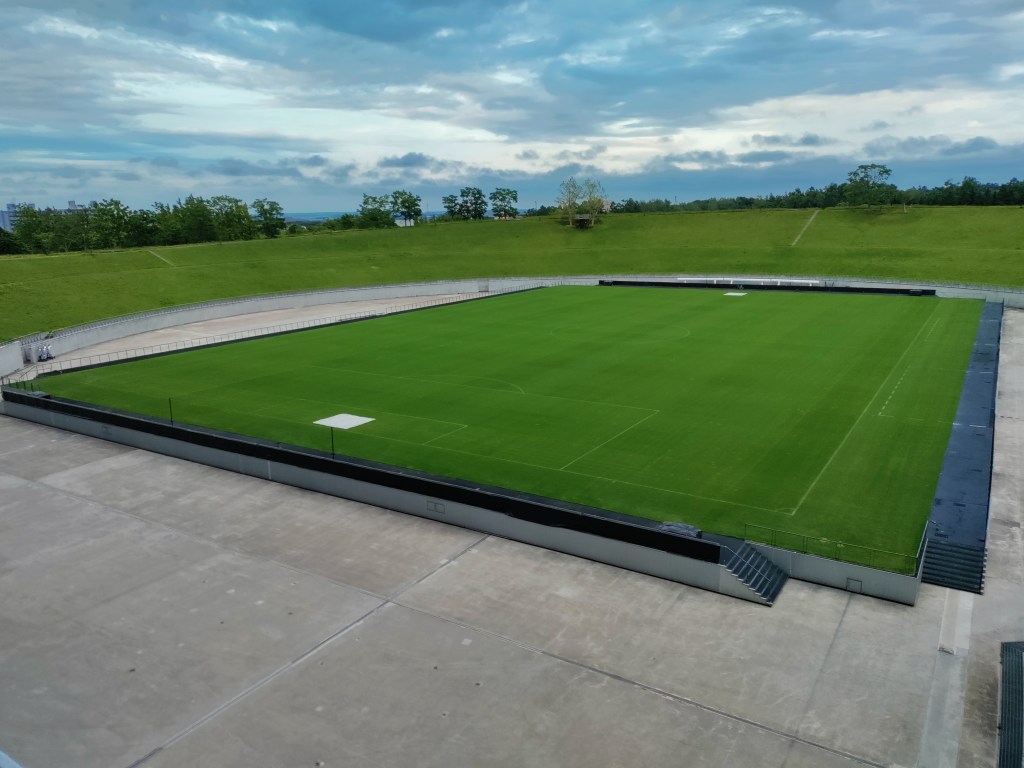
Drinking fountains on 21st and Glisan.
LikeLike
Glad you took the trip. Looks like an interesting island. The drinking fountain pic almost made me think you snuck a pic of a Portland bubbler in there! Looking forward to the next post.
LikeLike
Hi Sam. I’m so glad you had a nice trip. What a wonderful opportunity you have to be in Japan. I hope you continue to enjoy your time there. I’m sure you are making a positive difference in a lot of people’s lives. Take care! Love, Gretchen
LikeLike
I’m glad you got to enjoy Hokkaido. I’ve never considered that Hokkaido might have a lack of mountains compared to other areas of Japan. Whilst it’s true there are many farms and pastures, the whole
centre is very mountainous (Daisetsuzan Mountain Range), and very popular with hikers.
LikeLike