Before I came to Japan, I was not a huge fan of sake. Now that I live in Niigata, I have acquired a taste for the alcoholic beverage. Niigata is considered to be one of the capitals of sake brewing in Japan. If you are interested in the history or process behind the brewing of sake, you might want to consider taking a sake tour in Japan! I recently went on a sake tour and learned all about the process of making sake. Here is a recap of my experience:
First, we visited a sake brewery named Kanbara in the town of Aga, located in the mountains near the Fukushima prefecture. This region is known for producing some of the best sake in Japan. Our guide explained that the water in this region is particularly well-suited for making sake, due to its purity and mineral content. Our guide was the owner of the establishment and he spoke very good English and was very jovial and accomadating during the entire experience.
First, we learned about the basics of Sake production. We also learned about the polishing process, which involves removing the outer layers of the rice grain to expose the starchy center. The more the rice is polished, the higher the quality of the resulting sake. Furthermore, a type of mold is used to turn the long strings of starches into simple sugars which the yeast can ferment into alcohol.
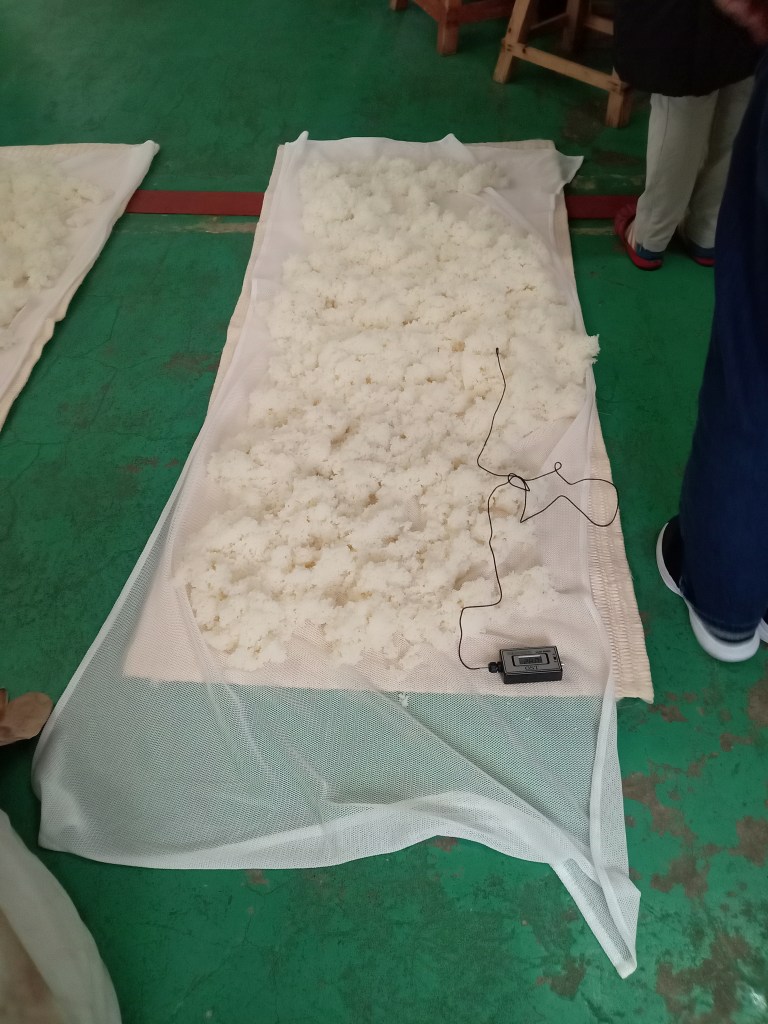
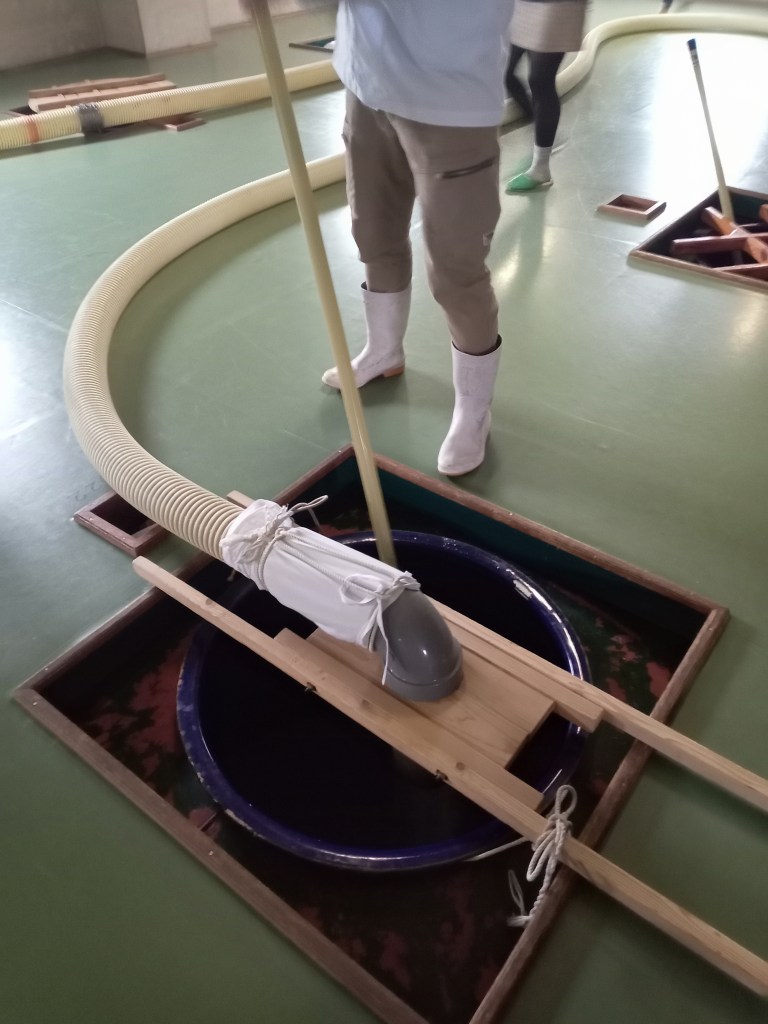
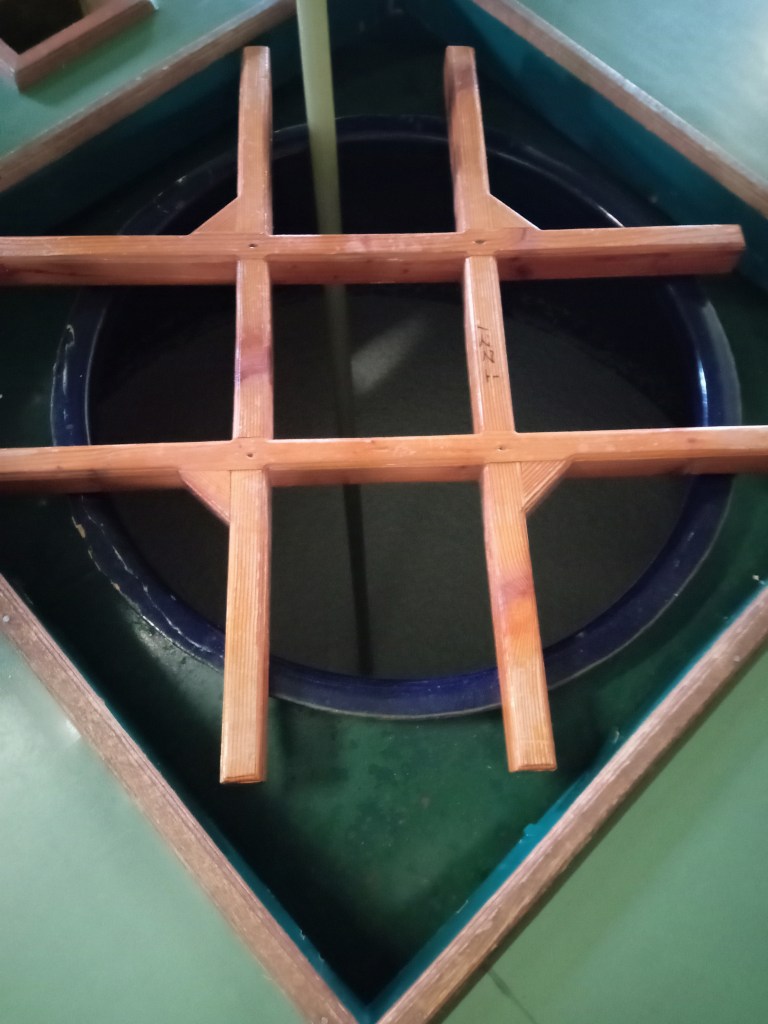
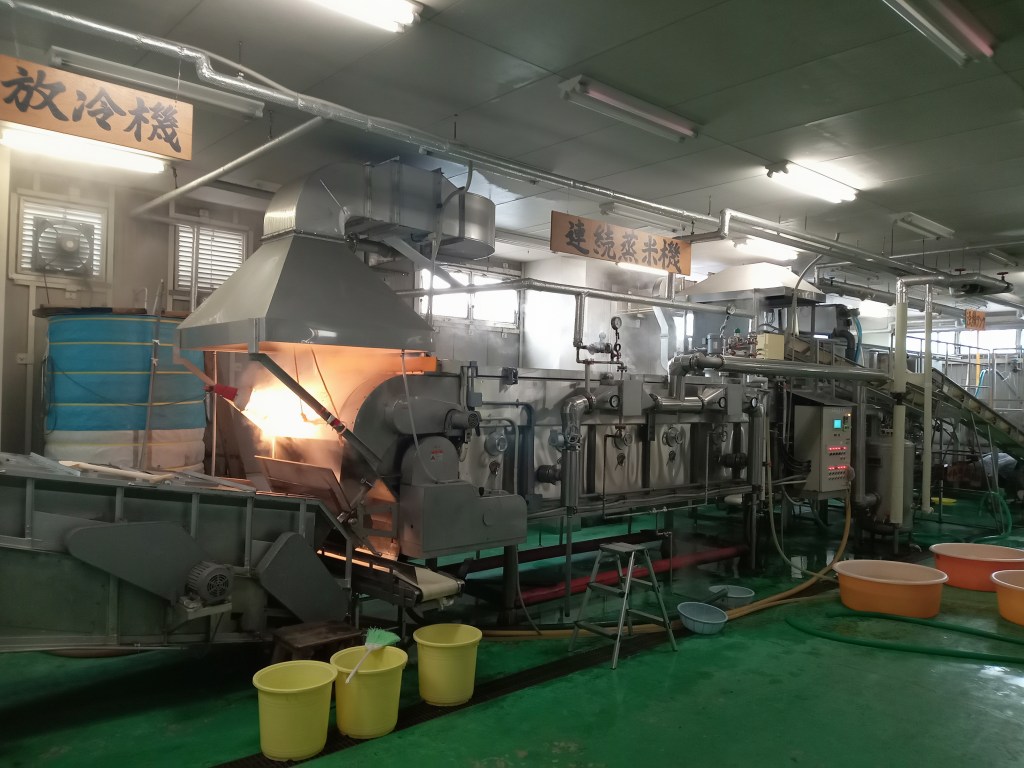
After learning about the ingredients, we were shown the brewing process. Sake production involves a complex series of steps that require precision and skill. First we saw the rice being polished and steamed. From here it is taken to be cooled on sheets. Next it is taken to a special environment where the saccharization mold thrives. We had a chance to try the rice that had the mold growing on it and I would describe the taste and texture as being like cheese rind. Next, we saw the large wooden barrels where the sake is fermented, as well as the tanks where it is filtered and pasteurized. The tanks were built into the floor and quite large. The guide even recalled a macabre tale of one of the workers falling into a tank and dying, so we had to walk around carefully.
Of course, the best part of any sake tour is the tasting! We were able to sample several different types of sake, ranging from dry to sweet. Each had its own unique flavor and aroma, and it was fascinating to compare and contrast them. My favorites were the aged sake, as well as the special “Bride of the Fox” sake which comemorates a local ritual involving a young woman being “married” to a fox spirit. Overall, I would highly recommend taking a sake tour if you are interested in learning about the process of making sake. It is a unique and educational experience that is sure to appeal to anyone who enjoys this delicious beverage.
Next, after everyone was feeling quite good, we were taken to the taken to the Tsubame Industrial Materials Museum in Tsubame, Niigata. It is a unique attraction that showcases the city’s rich history of metalworking. As a fan of crafts and traditional arts, I was excited to visit the museum and learn more about this fascinating aspect of Japanese culture.The museum is housed in a modern building that blends in seamlessly with the surrounding landscape. Inside, we were greeted by friendly staff who explained the history of the museum and gave us a brief overview of what to expect during our visit.
One of the highlights of our visit was the opportunity to try our hand at metalworking. We were given a workshop session where we learned how to hammer out a cup from copper and tin. Under the guidance of a skilled instructor, we slowly hammered designs into the metals, creating a beautiful cup that we were able to take home as a souvenir. The experience was both fun and challenging, and it gave me a newfound appreciation for the skill and artistry that goes into metalworking. It was a serious arm work out for only thirty minutes! It was also a great way to connect with the history and culture of Tsubame City, which has a long-standing reputation for its metalworking industry.
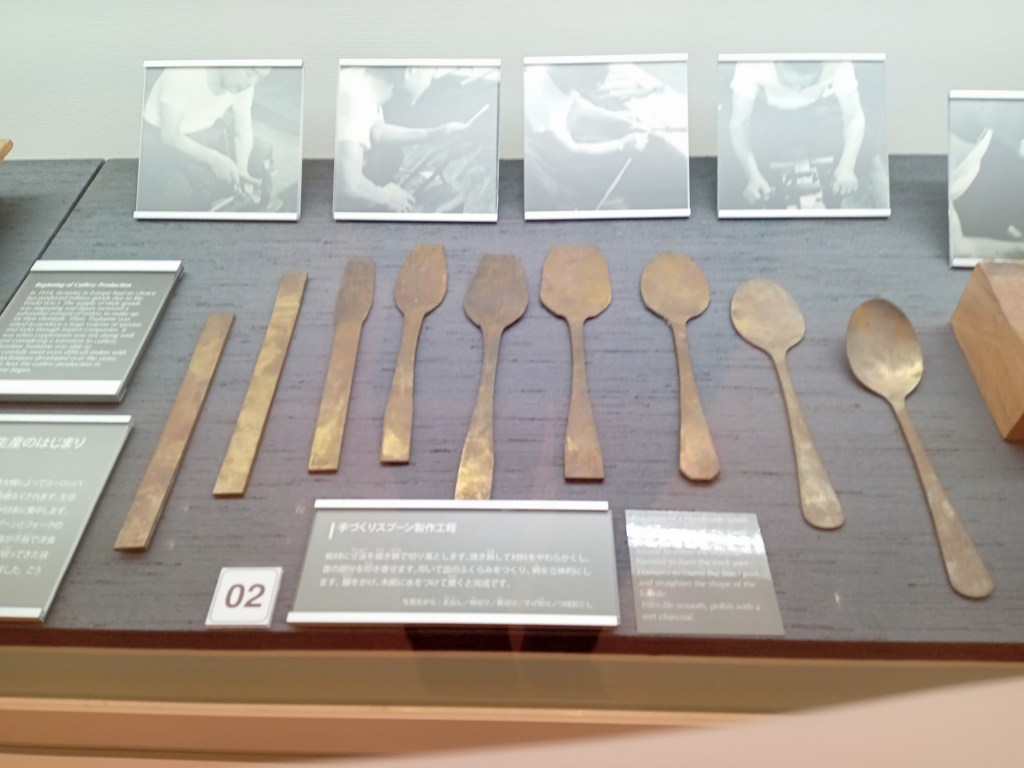
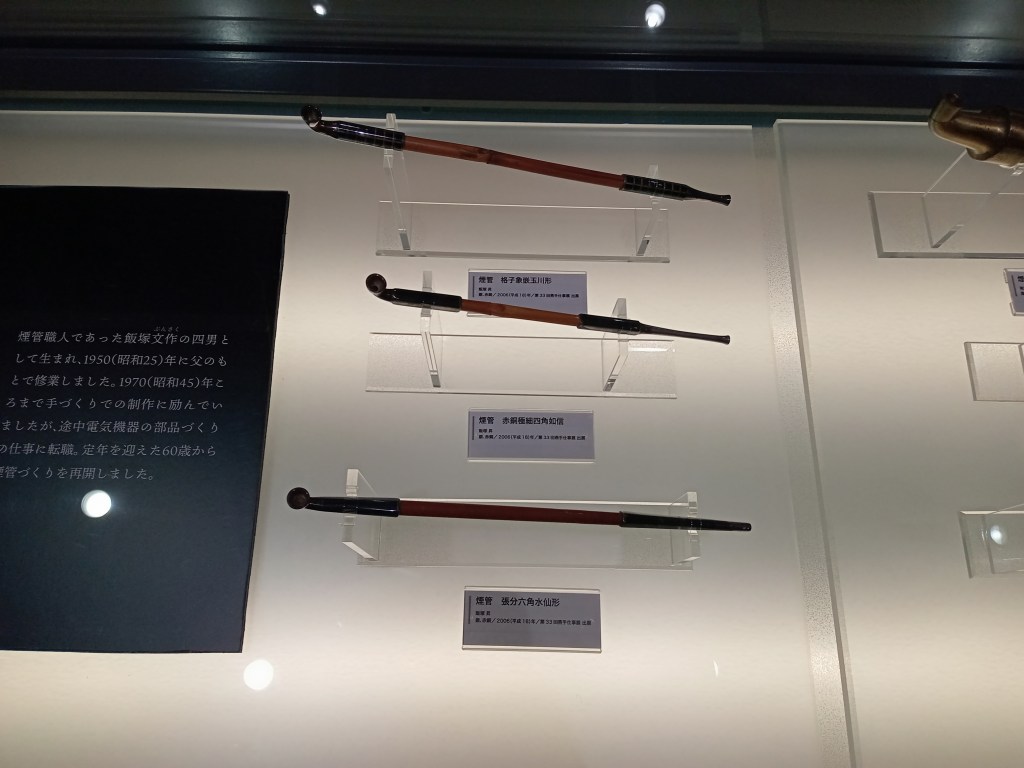
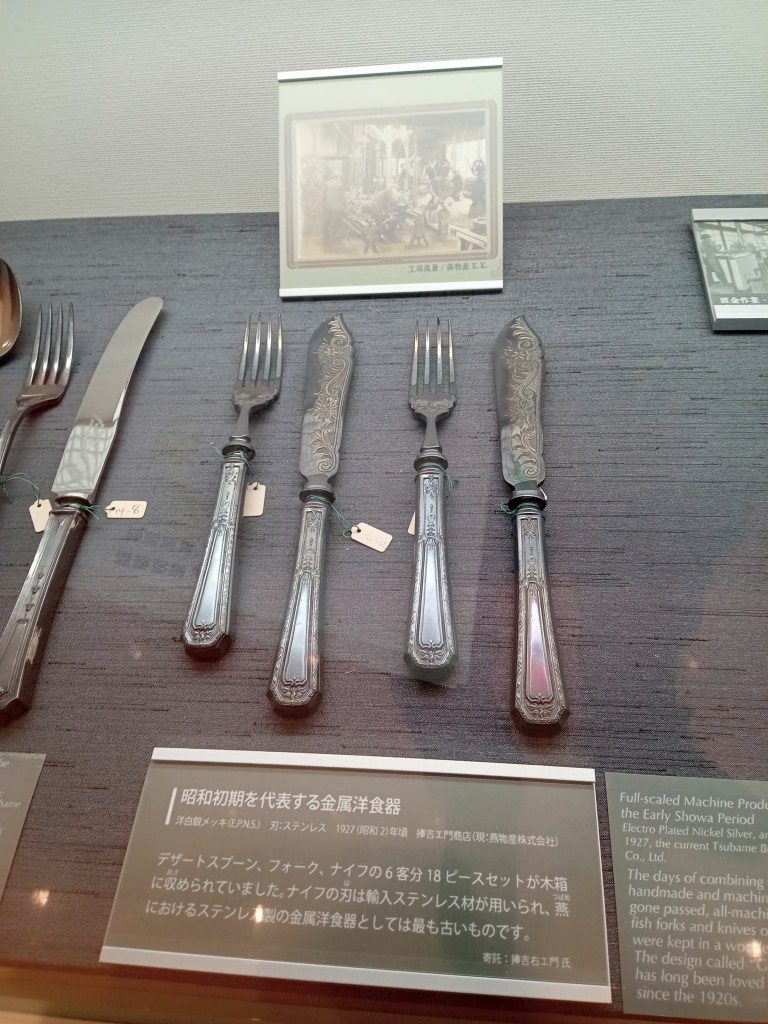
In addition to the metalworking workshop, the museum has several exhibits that showcase the various techniques and tools used in metalworking throughout history. We saw examples of ancient swords, ornamental metalwork, and modern industrial materials. The exhibits were informative and engaging, and we learned a lot about the history and culture of Tsubame City. What caught me off guard was their large exhibit on spoons. Supposedly, 90% of Japanese silverware comes from Tsubame City. I hadn’t really considered that spoons and forks are a relatively new aspect of Japanese society, having been initially imported from the west after the opening of Japan in the mid 19th century. Overall, our visit to the Tsubame Industrial Materials Museum was a unique and memorable experience. The opportunity to try our hand at metalworking and learn about the history and culture of Tsubame City was a highlight of our trip to Niigata Prefecture. I would highly recommend a visit to this museum for anyone with an interest in traditional crafts and Japanese culture.


 Sam in Japan
Hi buddy, Thank u for sake history good to know,I had tasted sake once or twice here and like u said u hv to acquire the taste and yes I do like it, I did not see the picture of the metal cup that u tried ur hand to make one. I am glad that u had a good time and again u have an amazing writing skills it makes one feel that ur there looking at it.
Love
Dad
LikeLike